Understanding House Edge
The concept of house edge is fundamental to understanding how casinos operate. Simply put, the house edge represents the mathematical advantage that a casino has over players in any given game. Each game has its own unique house edge, calculated as a percentage that indicates the expected return to the player versus the expected profit for the casino. For example, a game with a house edge of 5% means that for every $100 wagered, the casino expects to keep $5, while the player retains only $95 over time. Additionally, many players enjoy exploring an online casino that accept neosurf to discover various games and bonuses that can enhance their gaming experience.
This built-in advantage ensures that, despite the occasional wins of individual players, over the long run, the casino will always profit from the games they offer. Understanding the house edge can help players make informed decisions about which games to play based on their risk tolerance and desired return. It can also lead to a more strategic approach, where players can maximize their enjoyment while managing their bankroll effectively.
Casinos employ various strategies and game designs to maintain their house edge. For instance, games like slots are designed with complex algorithms and random number generators, which can enhance the house’s advantage while providing entertainment value to the players. Understanding these intricacies can help players appreciate why certain games might seem more favorable than others and recognize the true odds they are facing.
The Role of Game Design
Game design plays a pivotal role in determining the house edge. Each game incorporates elements that are not only entertaining but also strategically crafted to ensure profitability for the casino. In games such as blackjack, players might have a chance to influence the outcome through strategy, which can lower the effective house edge. Conversely, games like baccarat or certain slot machines rely heavily on chance, making it difficult for players to impact their odds.
Additionally, the rules of each game can significantly affect the house edge. For example, in blackjack, variations such as allowing players to split or double down can alter the house’s advantage. Similarly, in poker, where players compete against each other rather than against the house, the dynamics change, and the house edge is usually derived from the rake—an amount taken from each pot. Therefore, understanding the rules and variations of games is crucial for players looking to maximize their chances of winning.

The psychological aspects of game design cannot be overlooked. Casinos create an immersive environment with lights, sounds, and reward systems that encourage players to continue playing, often ignoring the odds against them. By understanding how game design influences behavior and perceptions of risk, players can become more aware of their tendencies when it comes to gambling and make more informed choices.
Variations in House Edge Across Games
The house edge varies widely from one casino game to another. For instance, classic games like roulette can have a house edge that ranges significantly based on the variant played; European roulette has a lower house edge of about 2.7%, while American roulette has a higher edge of nearly 5.26%. Understanding these differences can help gamblers select games that align with their personal gaming strategies and budgets.
On the other hand, card games, such as poker and blackjack, offer players an opportunity to lower the house edge through skill and strategy. As stated earlier, a skilled blackjack player can reduce the house edge to as low as 0.5% with optimal strategy. This highlights the importance of understanding not just the game mechanics but also the strategies that can lead to better outcomes.
Moreover, newer games introduced in casinos often carry different house edges, which can attract players looking for fresh experiences. These games might offer promotional odds or bonuses that temporarily alter the traditional house edge, but they often return to the average as players continue to engage with them. Familiarizing oneself with various games and their respective house edges can empower players to make choices that enhance their gaming experience.
Can Players Overcome the House Edge?
Many players often wonder if there are strategies to overcome the house edge. While it’s impossible to eliminate the house edge entirely, players can employ specific tactics to maximize their potential winnings. One effective method is to engage in games with the lowest house edge and to practice optimal strategies, especially in skill-based games like blackjack and video poker. This requires research, practice, and sometimes even studying advanced strategies like card counting.
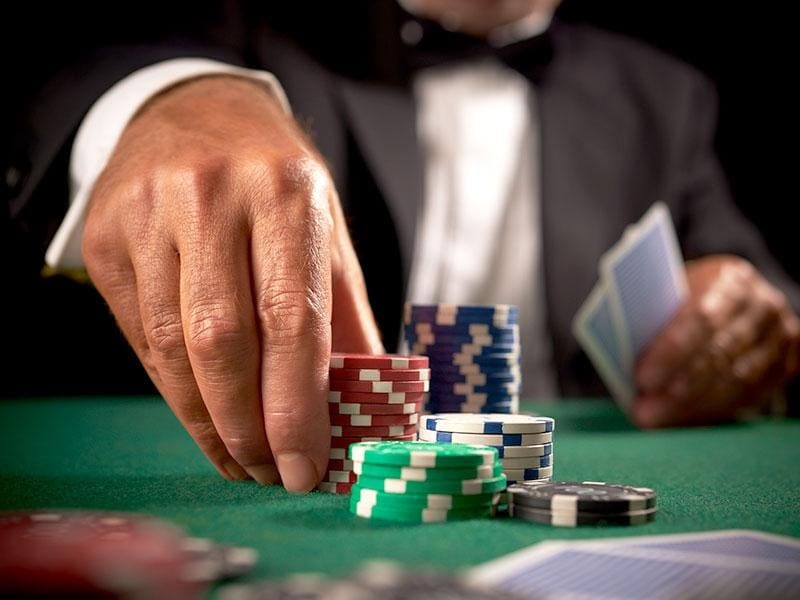
Additionally, proper bankroll management is critical. Players who establish clear budgets and limits tend to have a more enjoyable experience and can endure the natural fluctuations of wins and losses. This method helps players stay in the game longer without risking substantial financial loss, ensuring they can still enjoy the entertainment aspect of casino gaming without succumbing to the house edge’s impact.
It’s also essential to recognize the psychological factors involved in gambling. Many players are drawn into chasing losses, which can effectively negate any efforts to overcome the house edge. Educating oneself about the risks, understanding personal limits, and maintaining a disciplined approach can significantly enhance a player’s experience and potentially improve their outcomes over time.
Discovering More About House Edges
For those eager to learn more about the intricate world of casino house edges, there are numerous resources available online. Many websites specialize in providing detailed analysis and breakdowns of various games, helping players understand the mechanics, odds, and strategies involved. These resources can be invaluable for both novice and experienced players alike, as they often offer insights into optimizing gameplay and understanding the nuances of different games.
Engaging with online forums and communities focused on gambling can also prove beneficial. Sharing experiences and strategies with fellow players can open up new perspectives on managing the house edge while enjoying the thrill of gaming. Many seasoned players are willing to share their insights, tricks, and tips that can help newcomers enhance their gaming strategy.
As a result, understanding the house edge is not just about numbers; it’s about fostering a deeper appreciation for casino games and creating a balanced approach to gambling. By taking the time to delve into these aspects, players can elevate their experience, making informed decisions that lead to more enjoyable and potentially rewarding gameplay.